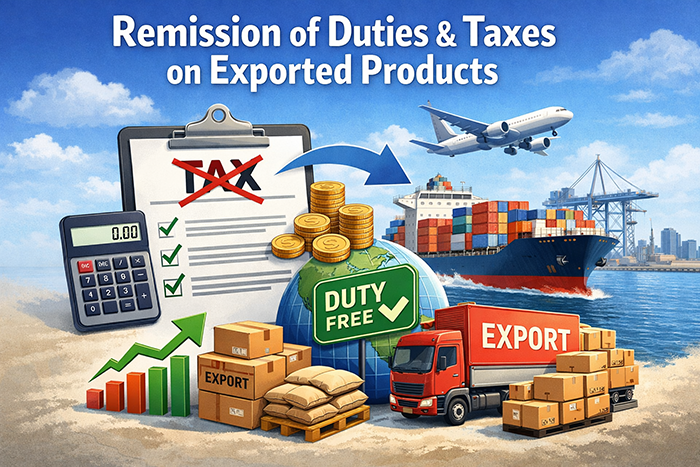
The Confederation of Indian Textile Industry (CITI) is concerned about the halving of rates under the Remission of Duties and Taxes on Exported Products (RoDTEP) Scheme and looks ahead to the authorities revisiting this decision immediately to ensure that textile exporters are not inconvenienced.

“The decision has come as a bolt from the blue and is a real shock, as it is the last thing the exporting community was expecting amid the continuing global uncertainty, which shows no signs of letting up,” CITI Chairman Shri Ashwin Chandran said.
“Given the steadfast commitment of the Government to promote exports, we remain hopeful that the decision would be re-examined since exporters had booked orders keeping the RoDTEP scheme mechanisms in mind. We earnestly request that the earlier applicable RoDTEP rates and value caps be restored with immediate effect for the textile industry, as policy predictability is essential to raise global competitiveness.”
The RoDTEP rates range from 0.5% to 3.6%.
The CITI Chairman said the reduction in rates, which would affect the margins of textile exporters, is a serious setback to the Indian textile industry, which is already under significant stress and is facing several challenges:
- Declining exports: Exports have fallen by 2.35% during April 2025 – January 2026 compared to the corresponding period last year.
- Subdued global demand and supply chain realignments: Owing to geopolitical uncertainties and slowing consumption in key markets.
- Higher tariffs in major markets like the US, EU, etc., compared to key competitors
- Low profitability structure: Average RoCE of around 12%, significantly lower than sectors such as IT.
In the textiles sector, export orders are typically booked 2–3 months in advance. Pricing and quotations are finalised. based on the prevailing policy framework, including applicable export remission benefits.
The sudden restriction of RoDTEP benefits to 50% with immediate effect disrupts the financial calculations for ongoing contracts, making them financially unviable. It imposes unforeseen financial burdens on exporters and undermines India’s credibility and reliability as a stable and dependable sourcing destination in global markets.
“The Hon’ble Prime Minister has articulated the visionary ‘5F’ framework — Farm → Fibre → Factory → Fashion → Foreign — to strengthen the entire textile value chain and enhance India’s global presence. Achieving this vision necessitates a stable, predictable and supportive policy environment, particularly for an employment-intensive sector such as textiles,” Shri Chandran pointed out.
“Any abrupt reduction, without adequate consultation or transition time, would disrupt the export ecosystem, distort cost structures, undermine the global competitiveness of Indian exports, thereby endangering the livelihood of millions of people engaged directly or indirectly in the textile sector.”
India aims to more than double textile and apparel exports to $100 billion by 2030. The textiles and apparel sector is the country’s second-biggest job generator.