
Home Blog Page 162

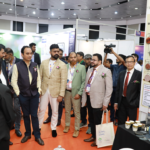
Bharat Print Expo strengthens focus on corrugated packaging in collaboration with ICPMA

The Indian Paper Corrugated & Packaging Machinery Manufacturers’ Association- ICPMA plays a vital role in advancing its members’ interests and nurturing an environment that promotes growth, innovation, and excellence in India’s corrugated and packaging machinery sector. Partnering with the association, Bharat Print Expo will connect with emerging and established leaders in the segment, serving as a promotional platform for new and innovative Corrugated Packaging Technologies developed within the country.

“That’s the rationale for the name – Bharat Print,” said Anil Arora, President, ReEnvision Events Private Limited, the organisers of the Show. “India’s corrugated packaging sector is experiencing robust growth, buoyed by advancements in technology, a commitment to sustainability, evolving market demands, and a strong emphasis on customization, all contributing to the introduction of a variety of new products. We aim to bring all that on Show.” He added.

Bharat Print Expo 2025 will be held from 24-26 April 2025 at BIEC, Bengaluru. The Show is being organised in association with Karnataka State Printers’ Association (KSPA) and is supported by Maharashtra Mudran Parishad, Mumbai Mudrak Sangh, Offset Printers’ Association and now ICPMA.

The exhibition aims to draw visitors from across the Southern region through extensive promotional efforts designed to reach a broad audience. Additionally, targeted participants from across India and Sri Lanka are expected to attend. The attendee profile encompasses a wide range of professionals including Commercial Printers, Package Printers & Label Printers, Brand Owners & Print Buyers, Package Converters & Corrugated Box Manufacturers, Textile Printers & Professionals, Signage & Graphic Arts Specialists, Retailers, Manufacturers & Industry Suppliers, Packaging Professionals, Design Houses, Art Directors & Consultants, as well as representatives from Trade Publications, Advertising, Marketing, Media & PR Agencies, Government Bodies, and Trade Associations.

ReEnvision, the organizer of the Show, continues the tradition set by its affiliated group companies, which have successfully launched or co-organized India’s premier events in the printing and packaging sector, including the India Label Show, Pack Plus, and PAMEX. ReEnvision Events Private Limited is a sister organization of Print-Packaging.com Private Limited.

Mimaki wins two prestigious EDP awards 2024 for innovative printers.

Mimaki Engineering, a leading manufacturer of industrial inkjet printers, cutting plotters and 3D printers, has announced that its “UJV100-160Plus” UV curable inkjet printer and TxF series “TxF150-75” and “TxF300-75” DTF (Direct-to-Film) printers have been honoured with the “EDP Awards 2024” from the European Digital Press Association (EDP).

The EDP Awards, now in their 17th edition, celebrate innovative products in the digital printing industry. Winners are selected by the EDP Technical Committee, which comprises independent consultants, editors, engineers and other graphic industry experts. This year, Mimaki was recognized in two categories: “Best Roll-to-Roll Printer Less Than 170cm” and “Best Textile Printer Direct to Transfer”.

Award-Winning Products

UJV100-160Plus – UV Curable Inkjet Printer

The UJV100-160Plus received the “Best Roll-to-Roll Printer Less Than 170cm” award. Notable for its energy efficiency, this printer has a maximum power consumption of just 0.5 kW, using approximately 20% less power than eco-solvent and latex printers, thus reducing energy costs and CO2 emissions. The printer also features an ink-saving function and offers maximum 3-layer printing, enhancing its capabilities and helping customers lower running costs while expanding application possibilities.

TxF Series: TxF150-75 and TxF300-75 – DTF Printers

The TxF150-75 and TxF300-75 were awarded “Best Textile Printer Direct to Transfer.” These DTF printers are highly regarded in the printwear market for their stability and reliability, effectively addressing common issues such as ink clogging and ejection failures. Mimaki’s advanced technology ensures consistent performance over extended periods, making these printers ideal for a variety of applications, including custom T-shirts, sportswear and promotional items.

Program announced for AATCC textile discovery summit

AATCC is excited to announce the program for the 2024 Textile Discovery Summit, held October 6 to 8 in Savannah, Georgia, USA. With a focus on A Path Forward Through Innovation, this year’s conference will be a groundbreaking event for the textile industry.

Attendees of the Textile Discovery Summit will have the opportunity to engage in educational presentations, stimulating networking receptions, engaging roundtable discussions, and witness the latest advancements in textile technology at the exhibitor showroom. Furthermore, participants will be able to enjoy a golf challenge on The Westin’s 18-hole PGA Championship course and an evening boat cruise along the Savannah River on Sunday, October 6.

Start the Summit off by joining the NC170 session, “Research Personal Protective Technologies for Current and Emerging Occupational and Environmental Hazards,” on Sunday, October 6, from 9:00 am to 1:00 pm. This session addresses the critical need for effective Personal Protective Equipment (PPE) across industries such as firefighting, healthcare, military, and more. Continue the following day with discussions about the Future of Textiles through circular economy, thoughtful production methods, and more insightful presentations scattered throughout. Complete your Summit experience by either discussing the Advances in Sustainability or hearing about the improvements in Comfort and Wellness followed by Coloration updates. Be sure to stay until the end to take a chance at winning the exciting raffle prize!

AATCC is also actively seeking companies to join as sponsors for the 2024 Textile Discovery Summit. With three comprehensive package levels – Platinum, Gold, and Silver – sponsors can select the tier that best aligns with their marketing objectives and budget. Each level offers unique benefits, including prominent brand visibility, VIP access, and complimentary registrations to provide exclusive networking opportunities with industry leaders. For those looking for more targeted exposure, AATCC also offers the option to sponsor individual items or events within the summit. By becoming a sponsor, companies not only gain invaluable exposure to key decision-makers in the textile industry but also demonstrate their commitment to driving innovation and sustainability in the sector. Interested parties are encouraged to contact AATCC promptly, as sponsorship opportunities are limited and expected to fill out quickly.

The 2024 Textile Discovery Summit is open to all individuals who wish to participate. Whether you are an industry professional, researcher, or textile enthusiast, this event offers a unique platform to gain insights, foster collaboration, and stay informed about the latest developments in the field. For comprehensive program details, accommodation information, sponsorships, tabletop reservations, or registration, please visit www.aatcc.org/summit/.

Accelerating impact: Better Cotton conference 2024 emphasises farmer empowerment and industry ambitions

The Better Cotton Conference 2024, an annual global platform for change, successfully concluded on 27 June 2024 after two insightful and inspiring days in Istanbul, Türkiye, one of the most important cotton-producing countries in the world. Over 400 attendees from around the globe joined both virtually and in person, underscoring the event’s international significance.

Alan McClay, CEO of Better Cotton, commented, “This year’s Better Cotton Conference has highlighted the crucial need for collective action in the cotton industry. The insights and stories shared over these two days emphasize that empowering farmers and integrating innovative practices are essential for a sustainable future. Our commitment remains steadfast in driving positive change for cotton communities worldwide.”

Day one highlights

The first day featured diverse insights across 18 sessions, including plenary talks, interactive workshops and breakouts, all focused on accelerating impact for cotton farming communities. This rich diversity of perspectives ensured that all voices were heard, fostering a sense of inclusivity across the different industries present.

Putting People First

The first theme, ‘Putting People First’, underscored Better Cotton’s unwavering commitment to prioritizing farmers and farm workers. The sessions challenged attendees to consider what it means to ensure a living income and decent work for cotton farming communities.

Aarti Kapoor, Founder, and Executive Director of human rights agency Embode, delivered a compelling keynote on how individuals can drive positive impact across supply chains through a collective vision for the cotton value chain.

Lars Van Doremalen, Impact Director at Better Cotton, emphasized the importance of discussing farmer income and sharing insights from a study the organization conducted across India. Meanwhile, Leyla Shamchiyeva, Senior Decent Work Manager at Better Cotton, highlighted the need to address root causes of issues such as poverty and lack of rights awareness by connecting communities to social safety nets.

In a one-on-one session with Aarti Kapoor, Nazia Parveen – a Pakistani farmer from the Rural and Economic Development Society (REEDS) – shared her story of overcoming community barriers and emphasized the need for women’s empowerment in agriculture, advocating for equal opportunities for women to support themselves.

Driving Change At Field Level

The afternoon sessions shifted focus to ‘Driving Change at Field Level’, with discussions covering a wide variety of topics from regenerative agriculture to the role of fertilizers in a warming climate.

A panel discussion featuring Laila Petrie of 2050 and Gray Maguire of Anthesis, moderated by Lewis Perkins of the Apparel Impact Institute, explored the complexities of carbon markets and their impact on farmers. They discussed the differences between insetting and offsetting, using the ‘Unlock’ Project as a case study to highlight the importance of driving investment within supply chains.

Field-level representatives, including farmers and instructors from India, Tajikistan, and the US, shared their experiences with adopting regenerative agricultural practices. Their insights offered a diverse perspective on the practices driving field-level progress on farms both large and small.

Day two highlights

Understanding Policy and Industry Trends

The second day began with a focus on ‘Understanding Policy and Industry Trends’, examining major developments in the sector and their impact on cotton supply chains.

Vidhura Ralapanawe, Executive Vice President for Innovation and Sustainability at Epic Group, delivered a keynote speech emphasizing the need for transformative change in the cotton industry. He urged attendees to move beyond meeting legislative demands and work towards collective action to address pressing needs.

Sessions highlighted the need for all stakeholders, including farmers and suppliers, to actively participate in policy-making. Speakers called for a shift to include the most affected communities in discussions, ensuring legislation benefits smallholder farmers globally.

Reporting on Data and Traceability

In the afternoon, the conversation moved towards ‘Reporting on Data and Traceability’. Better Cotton’s Director of Traceability, Jacky Broomhead, led a discussion on making Better Cotton Traceability possible. A panel shared insights on balancing regulatory compliance with profitability, the efficiencies AI and automation could bring to the supply chain, and the role of traceability in achieving net-zero strategies. Panelists emphasized the need for simplicity in traceability to encourage adoption and reduce the burden on farmers.

Tülin Akın, Founder of Tabit Smart Farming, shared stories of how agricultural technologies can help solve challenges in rural communities. She also highlighted the importance of face-to-face interaction for farmers.

This was followed by a session on Pakistan’s First Mile Traceability pilot, moderated by Better Cotton Pakistan’s Director, Hina Fouzia. Farmers, middlemen, and ginners discussed the challenges of internet and technology access, Better Cotton’s role in supporting adoption, and the importance of constantly reviewing results to drive improvements.

Indorama Ventures secures $200 million loan from IFC to drive sustainability program

Indorama Ventures, a global sustainable chemical producer, today announced it secured a new 7-year loan totaling $200 million from the International Finance Corporation (IFC) to help fund the continued growth of the company’s strategic sustainability programs in India, Thailand, and Indonesia and promote a circular economy as the world’s leading PET recycler.

The loan from the IFC, which is a member of the World Bank Group focused on private sector development in emerging markets, provides a long tenor and flexibility to convert into a sustainability-linked facility based on mutually agreed sustainability targets in the future. The funds will be used to finance sustainability initiatives that bolster Indorama Ventures’ leading strategic footprint in PET recycling. These also include enhancing efficiency at the company’s existing recycling facilities at Nakhon Pathom and Rayong in Thailand, launching a state-of-the-art plant in Karawang in Indonesia, and establishing new recycling plants in India. Additionally, the financing will reimburse costs incurred in 2023 and 2024 for sustainability projects.

Mr. Yash Lohia, Chairman of the ESG Council at Indorama Ventures, said, “Our continued collaboration with IFC is an important part of our ongoing investment in sustainability, allowing us to expand our recycling capabilities and make a meaningful impact on the environment and communities in key emerging markets. As a global leader in the chemical industry, Indorama Ventures is dedicated to setting new benchmarks for sustainable practices and promoting a circular economy worldwide.”

Jane Yuan Xu, Country Manager for Thailand and Myanmar at IFC, said, “We are delighted to partner once again with Indorama Ventures. This loan exemplifies IFC’s commitment to fostering a circular economy and enhancing waste management in emerging markets. Together, we aim to leverage recycling as a powerful tool in managing plastic waste and advancing broader sustainability and climate change goals.” Indorama Ventures maintains a sustainable and diversified financing strategy, including an inaugural $300 million industry-first Blue Loan in 2020, which comprised a $150 million senior loan from IFC and parallel loans of $150 million from the Asian Development Bank (ADB) and Deutsche Investitions-und Entwicklungsgesellschaft (DEG).


Mango boosts its youth line Mango Teen with its first international store in the United Kingdom and fifteen openings in Spain

Mango, one of Europe’s leading fashion groups, is making progress in the growth of its Mango Teen youth with its international expansion. Three years after its launch, the Teen line opens its first stand-alone store outside the Spanish market, in the United Kingdom. Specifically, the company introduces a 230 m2 store in London, at Foubert’s Place, near Carnaby street, one of the most vibrant districts in the city centre.

“The opening of the first Mango Teen store internationally marks a turning point, so that we can continue to inspire and bring our passion for fashion to young audiences,” explains Berta Moral, Director of Mango Kids and Teen. “The UK is one of the most important markets in the world of global fashion and therefore a key market for Mango and the development of all its lines to consolidate a global offer that responds to all segments, from women to men, children and teenagers.

Mango Teen is also increasing its offering in Spain with around fifteen new stores in 2024 in the country’s major cities such as Barcelona, Ibiza, Malaga, Vigo, Oviedo, Bilbao and Seville. The youth line is forecasting exponential growth, closing the year with around 25 stores -almost double 2023’s figure- and presence in 95 markets through the multi-line and online channels.

All the new stores will feature the Mediterranean-inspired New Med concept, which embodies the spirit and freshness of the brand. Sustainability and architectural integration are key in this new design, which conceives the Mango store as a Mediterranean home with different rooms in which warm tones and neutral colours predominate, combined with traditional, handcrafted, sustainable and natural materials such as ceramics, tuff, wood, marble, esparto grass and leather.

The growth of Mango Teen

Mango Teen launched in 2021 to satisfy the fashion needs between childhood and adulthood, presenting attractive alternatives for young people. “The line fills an existing gap in the market and is leading the way with current, fresh and youthful designs, setting the pace for contemporary young fashion,” Moral points out.

Combining classic styles with contemporary touches and innovative, eye-catching prints, Mango Teen features a wide variety of garments ranging from clothing to footwear and accessories, offering the possibility to create complete and adaptable outfits for a variety of key moments, from everyday wear to evening plans and formal events.

In its early days, Mango Teen was marketed through the online channel in close to 50 markets and in pop-up stores in Barcelona, Granada, Marbella and Mahón. The first physical store with a permanent Teen offer was the Mango Kids store in Calle O’Donnell in Seville at the end of 2021, followed by the children’s and youth store in Calle Don Juan de Austria in Valencia. In 2022, the line expanded its physical presence in the Kids stores in Goya street in Madrid and Westfield Glòries shopping centre in Barcelona, and opened its first stand-alone stores in Barcelona, Platja d’Aro and Zaragoza.

In 2023 Mango Teen arrived in the Canary Islands and Andalusia with stores in Tenerife, Granada and Malaga. In 2024, three years after its launch, Mango Teen plans to continue its stand-alone store expansion and to finish the year with 25 dedicated stores and a presence in 95 markets through multi-line and online channels.

The growth of Mango Teen is part of the company’s 4E Strategic Plan 2024-2026, which was created to promote Mango’s differentiated value proposition, its commitment to innovation and sustainability and increasing sales through major expansion of its store network and the growth of all its lines and channels.


European futureproofing for Eton systems and kinnarps

To meet rising demand for its fully automated and digitised fabric and part handling solutions, Eton Systems – a member of TMAS, the Swedish textile machinery association – has just moved into modernised new premises in Borås.

The company was founded in 1967 in Borås – widely known as Sweden’s textile city and home to worldwide brands and companies, as well as the prestigious Swedish School of Textiles – as a result of future-looking research and development at shirt maker Eton Shirts.

Eton Shirts, founded in 1928 and still also headquartered in Borås, was very early to realise the benefits of streamlining its production processes, minimising downtime and better utilising factory space. Its internal R&D led to the world’s first overhead unit production system (UPS).

Today, Eton Systems UPS technologies have a positive impact on the productivity of thousands of production lines for a range of industries. Designed to increase value-added time in production by eliminating manual transportation and minimising handling, the individually addressable product carriers are now fully managed and controlled by the company’s advanced software.

Roots and heritage

“We’re very happy that we have been able to realise our plans and site our new premises with advanced technologies here in Borås, staying true to our roots and heritage,” says Eton Systems CEO Jerker Krabbe. “Digitalisation and the push for more sustainable, shorter and less expensive supply chains are currently making manufacturing in high-cost countries within Europe more attractive and our technologies are very much a part of making reshoring a feasible option for our customers. It’s fantastic that we can still undertake projects like this in Sweden in order to grow for the future.”

10,000 pieces daily

Kinnarps, one of the largest providers of high quality workspace solutions in Europe, has retained all of its production in Sweden, and is thriving with the assistance of Eton Systems.

At the Kinnarps fabric upholstery plant for office chairs in Skillingaryd, customers are able to choose from over 250 different fabrics for their designs and collections, or to provide their own, in addition to selecting from a range of bases, springs and wheels.

With the installation of a full Eton UPS system, the lead-time from order to finished product from the Skillingaryd plant was cut from nine-to-ten days to just five days, due to a reduction in set-up times and other preparatory operations at individual work stations – a distinct competitive advantage.

On a daily basis, the Eton overhead system is loaded with more than 10,000 pieces, each with their own identification codes, enabling them to be fully tracked as they move sequentially through the phases of production. An automatic buffering system enables all products to be moved to each stage of the production process easily and just in time.

Kinnarps also appreciates Eton’s latest software, which provides an overview of every single unit produced and has led to a significant reduction in waste.

Full control

With annual sales of SEK 4.5 billion and a workforce of 1,700 people, Kinnarps is operational in over 40 countries and the concentration of its production in Sweden enables it to retain full control over its entire manufacturing chain, as well as ensuring decent working conditions for all of its employees.

“The advantage of this were particularly evident during the pandemic, when the transport chains caused major problems for companies with production in distant countries,” says Thomas Wilsson, manager at the Skillingaryd plant. “In addition, we don’t need to take a gamble on getting a big order and if our order intake increases, we can scale up our own manufacturing process relatively quickly. It also gives us great flexibility. If a product needs to be changed, we just do it and don’t need to wait until existing stock has sold out. If we want to make updates, improvements or efficiencies, we can react much faster.”

Life cycle

Sustainability is naturally high on the Kinnarps agenda but the company stresses that it is essential to create interior design solutions and furniture that are suitable for use over a long period of time.

“Sustainable interior design is as much about the present as the future,” says Kinnarps Global Range Director Jenny Hörberg. “When choosing interior design and furniture, it is important to take the entire life cycle into account. It’s also about choosing furniture with carefully selected materials that are designed and prepared for renewal, to maximise the life span and create conditions for sustainable circularity.”

“We help our customers make sustainable and circular choices from the beginning that provide the conditions for futureproof environments,” adds Global Sales Director Dan Molander. “Based on needs analysis, we create customer-unique, ergonomic and flexible solutions, designed for today’s individuals and activities, but which are also ready to meet future needs and challenges. Through furniture and concepts that can be updated, renewed and renovated, we enable adaptable interior design solutions that can be developed to meet changing needs and last for a long time.”

Blueprint

“Every year, more than ten million tons of furniture is thrown away in Europe and smart companies like Kinnarps are at the forefront of pushing the furniture industry to take responsibility for how it is designed, manufactured and transported to create the conditions for sustainable interior design,” says TMAS Secretary General Therese Premler-Andersson. “Working with our member Eton Systems, Kinnarps has created a blueprint for how things should be done at its operation in Skillingaryd. Like Kinnarps, Eton Systems, in opening its new Borås HQ, is also committed to expanding sustainable manufacturing here in Europe.”


Berry And Glatfelter announce additional regulatory milestone in proposed transaction for spin-off and merger of Berry’s health, hygiene and specialties global nonwovens and films business with glatfelter

Berry Global Group, Inc. (NYSE: BERY) and Glatfelter Corporation (NYSE: GLT) announced today the achievement of an additional regulatory milestone in the proposed transaction involving the combination of a majority of Berry’s Health, Hygiene and Specialties segment to include its Global Nonwovens and Films business (“HHNF”) with Glatfelter. In addition to the previously announced expiration of the required waiting period under the Hart-Scott-Rodino (HSR) Antitrust Improvements Act, the parties have now received all other approvals and clearances under competition and foreign direct investment laws which were conditions to the consummation of the transaction.

As previously announced on February 7, 2024, Berry and Glatfelter entered into a definitive agreement under which Berry will spin-off and merge its HHNF business with Glatfelter in a Reverse Morris Trust transaction. The transaction will create a leading, publicly-traded company in the specialty materials industry. The transaction is expected to close in the second half of calendar 2024 and is subject to approval by Glatfelter shareholders and completion of the remaining customary closing conditions.

Cautionary Statement Concerning Forward-Looking Statements

Statements in this release that are not historical, including statements relating to the expected timing, completion and effects of the proposed transaction between Berry Global Group, Inc., a Delaware corporation (“Berry”), and Glatfelter Corporation, a Pennsylvania corporation (“Glatfelter” or the “Company”), are considered “forward-looking” within the meaning of the federal securities laws and are presented pursuant to the safe harbor provisions of the Private Securities Litigation Reform Act of 1995. You can identify forward-looking statements because they contain words such as “believes,” “expects,” “may,” “will,” “should,” “would,” “could,” “seeks,” “approximately,” “intends,” “plans,” “estimates,” “projects,” “outlook,” “anticipates” or “looking forward,” or similar expressions that relate to strategy, plans, intentions, or expectations. All statements relating to estimates and statements about the expected timing and structure of the proposed transaction, the ability of the parties to complete the proposed transaction, benefits of the transaction, including future financial and operating results, executive and Board transition considerations, the combined company’s plans, objectives, expectations and intentions, and other statements that are not historical facts are forward-looking statements. In addition, senior management of Berry and Glatfelter, from time to time may make forward-looking public statements concerning expected future operations and performance and other developments.

Actual results may differ materially from those that are expected due to a variety of factors, including without limitation: the occurrence of any event, change or other circumstances that could give rise to the termination of the proposed transaction; the risk that Glatfelter shareholders may not approve the transaction proposals; the risk that the necessary regulatory approvals may not be obtained or may be obtained subject to conditions that are not anticipated or may be delayed; risks that any of the other closing conditions to the proposed transaction may not be satisfied in a timely manner; risks that the anticipated tax treatment of the proposed transaction is not obtained; risks related to potential litigation brought in connection with the proposed transaction; uncertainties as to the timing of the consummation of the proposed transaction; unexpected costs, charges or expenses resulting from the proposed transaction; risks and costs related to the implementation of the separation of the business, operations and activities that constitute the global nonwovens and hygiene films business of Berry (the “HHNF Business”) into Treasure Holdco, Inc., a Delaware corporation and a wholly owned subsidiary of Berry (“Spinco”), including timing anticipated to complete the separation; any changes to the configuration of the businesses included in the separation if implemented; the risk that the integration of the combined company is more difficult, time consuming or costly than expected; risks related to financial community and rating agency perceptions of each of Berry and Glatfelter and its business, operations, financial condition and the industry in which they operate; risks related to disruption of management time from ongoing business operations due to the proposed transaction; failure to realize the benefits expected from the proposed transaction; effects of the announcement, pendency or completion of the proposed transaction on the ability of the parties to retain customers and retain and hire key personnel and maintain relationships with their counterparties, and on their operating results and businesses generally; and other risk factors detailed from time to time in Glatfelter’s and Berry’s reports filed with the Securities and Exchange Commission (“SEC”), including annual reports on Form 10-K, quarterly reports on Form 10-Q, current reports on Form 8-K and other documents filed with the SEC. These risks, as well as other risks associated with the proposed transaction, will be more fully discussed in the registration statements, proxy statement/prospectus and other documents that will be filed with the SEC in connection with the proposed transaction. The foregoing list of important factors may not contain all of the material factors that are important to you. New factors may emerge from time to time, and it is not possible to either predict new factors or assess the potential effect of any such new factors. Accordingly, readers should not place undue reliance on those statements. All forward-looking statements are based upon information available as of the date hereof. All forward-looking statements are made only as of the date hereof and neither Berry nor Glatfelter undertake any obligation to update or revise any forward-looking statement as a result of new information, future events or otherwise, except as otherwise required by law.


Cotton Council International uinites industry leaders to weave India-U.S. Cotton trade relations

A Cotton Council International (CCI) led media roundtable promoted strategic India-U.S. textile trade partnerships and highlighted U.S. cotton as the preferred choice of imported cotton for Indian spinners. Tomorrow, June 19, a three-part “COTTON USA: Weaving Threads of Unity between the U.S. Cotton and Indian Textile Industry” event in New Delhi will explore this partnership in more depth.

“India’s textile industry is projected to grow to $350 billion by 2025, and as India is a key market for U.S. cotton, there is substantial opportunity to expand our cooperation,” CCI Executive Director Bruce Atherley said. “Our discussions today emphasized the strategic importance of this partnership in driving sustainable practices and economic growth in both countries.”

To further this agenda at its COTTON USA event tomorrow, CCI will meet with U.S. Embassy personnel then join five top Indian textile manufacturers, the U.S. Cotton Trust Protocol, Supima and other global cotton textile supply chain luminaries to discuss topics of mutual interest and chart a path of cooperation moving forward. The event will also feature a high-level panel discussion on “Celebrating Women’s Influence in the Fashion and Textile Industry.”

While India has picked up the pace in textile exports, registering a growth of 6.91% year-on-year in March, its ambitious target of $100 billion in textile exports by 2030 will require collaborative action and robust international trade pathways. The discussions today highlighted opportunities for synergy between U.S. cotton and Indian stakeholders and charted a roadmap for an efficient and profitable partnership between the U.S. and India that empowers Indian spinners, textile mills, and manufacturers to achieve these goals.

“India’s impressive textile manufacturing ecosystem is energized with expansion opportunities, and we at Supima are excited about the partnership prospects that can arise out of this growing industry,” Supima President and CEO Marc Lewkowitz said. “The increasing demand for premium quality verifiable SUPIMA cotton highlights the need for scaling production to meet global needs.”

Peush Narang, CCI’s program representative in India and Sri Lanka, added, “Our valuable partnership with the Indian textile industry will propel both industries; by using U.S. cotton, Indian textile manufacturers can not only meet global quality standards but also enhance their competitive edge in the international market. Indian textile manufacturers are using high-quality U.S. cotton fiber to create beautiful garments. And by using U.S. cotton, they also receive benefits of the entire COTTON USA experienceincluding full traceability of the supply chain, the unique COTTON USA SOLUTIONS technical servicing program, and a package of services, data, and intelligencewhich no other cotton can provide.”

Lenzing appoints Kit Ping Au-Yeung as Executive Vice President of commercial textiles

Lenzing Group is pleased to announce the appointment of Kit Ping Au-Yeung as the Executive Vice President of Commercial Textiles with immediate effect. This strategic leadership appointment highlights Lenzing’s continuous commitment to strengthen its integral leadership roles and fuel the growth of its core textile businesses. Kit Ping succeeds Florian Heubrandner, who will take on a new role as Executive Vice President of Filament to reinforce the expansion of Lenzing’s global filament business.

In her new role, Kit Ping will be leading the expansion strategy and development of Lenzing’s textiles business, which comprises of fiber offerings under the flagship TENCEL and LENZING ECOVERO brands. With decades of experience working with partners across the textile value chain, Kit Ping will continue to foster the development of Lenzing’s textile business through driving innovative fiber and application solutions for customers, and ultimately bring benefits to consumers. Prior to joining Lenzing, Kit Ping held several regional and global commercial and operational leadership roles at Coats Group, as well as more recently at Amann Group. Her experience will add value to Lenzing’s core business, affirming Lenzing’s dedication to driving a positive impact across the industry ecosystem.

“We are thrilled to welcome Kit Ping as our Executive Vice President of Commercial Textiles,” said Stephan Sielaff, Chief Executive Officer of Lenzing. “Kit Ping’s vision is perfectly aligned with Lenzing’s commitment to enabling fiber production with a lower environmental impact. Kit Ping will play a pivotal role in driving our core textile business forward, as we see tremendous growth opportunities in this sector. We are confident that the business will continue to succeed under Kit Ping’s leadership.”

“I am excited to be a part of Lenzing at this historical moment as the textile business takes a big leap towards a more sustainable future. Lenzing is not only a company which pioneers fiber innovation, but also an essential collaborator who empowers and supports value chain partners to embrace more circular business practices. My goal is to strengthen what we’ve been committed to and inspire more partners to join us in building a brighter future together for our industry and beyond in the decades to come.” said Kit Ping.

From 1 July 2024 onward, Florian Heubrandner will focus on driving the strategy and expansion of Lenzing’s filament business with his established expertise in the value chain. He will work alongside Lenzing’s Research and Development and Engineering teams to establish filament as a separate business with a strong focus on innovation and growth.

“Florian has been a driving force in steering the transformation of our business into a global raw materials brand for textiles that is trusted by our customers and the industry. With his new role, we believe he will be able to bring Lenzing’s filament business to the next level,” added Mr. Sielaff.